
/socialsamosa/media/media_files/2025/08/20/leaderboard-new-3-2025-08-20-14-33-18.png)

You hear it in sales meetings, agency pitches, and marketing webinars. What does it really mean? What sets a good lead apart from a terrible one? And even more crucially, what makes a good generate leads strategy the difference between businesses that grow and businesses that stay the same?
This book answers all of those questions in plain language, without using any technical terms. This is because the first step to making smart investments in lead generation is to understand it.

What Is a Lead?
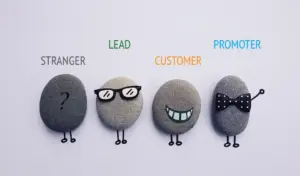
A lead is a person or business that has showed some interest in what you have to offer. That’s the most general definition. But not all leads are the same, which is why marketers usually put them into groups:
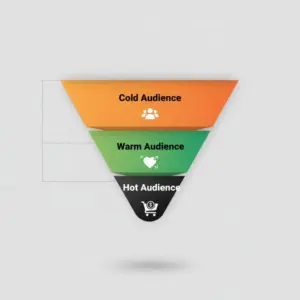
- Cold leads are folks that suit your target consumer profile but haven’t interacted with your brand yet.
- Warm leads are those who have interacted with your material, looked at your website, or demonstrated interest in your category.
- Hot leads are people who have asked for information, filled out a form, asked for a price, or are definitely ready to buy.
Most lead generation services focus on getting warm and hot leads, which are the people who are most likely to buy anything. Cold leads need a lot more care and time, and for most firms, they’re not the best place to start.
What does “lead generation” mean?
Lead generation is the process of getting potential consumers interested in your business and getting their contact information or getting them to interact with you in a way that makes it easy for your sales or marketing staff to follow up and turn them into paying customers.
SEO, paid ads, social media, content marketing, email campaigns, referrals, and events are all part of the “generation” aspect that gets a prospect to your door. A form, a WhatsApp chat, a phone call, or a direct booking are all common ways to “capture” someone. These things work together to make up the front end of your income pipeline.
If you don’t generate leads, you have to rely on word of mouth and chance meetings. A systematic lead generating strategy gives your organization a technique to find new customers every month that is predictable and can grow.
Generating leads from inside vs. outside
There are two main ways to get leads, and knowing the difference is important for how you spend your money.
Outbound lead generation is when you go out and look for possible consumers. This could be through cold calling, prospecting lists, trade exhibitions, or door to door sales. You’re sending your message to those who didn’t ask for it. This can work, but it usually has lower conversion rates and greater costs per acquisition because the prospect doesn’t trust you or have any interest in what you have to offer.
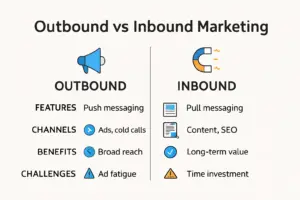
Inbound lead generation implies making it easy for potential customers to find you. This could entail ranking high on Google for relevant searches, writing content that answers buyers’ inquiries, or running targeted ads to those who are already interested in your industry. The prospect already has some idea of what they want before they come to you. There are more conversions, the cost per acquisition is lower, and the customer relationship starts with more trust.
The finest lead generation agency plans for 2026 will use both inbound and outbound methods. Inbound will be the basis for long-term, cost effective growth, and outbound will be used to target specific clients or markets for growth.
Important fact: 75% of local businesses say that SEO driven lead creation brings in more leads than paid ads. Inbound channels build up over time, whereas outbound channels need ongoing investment to keep producing.
The Funnel for Getting Leads
Lead generation is not a separate process; it is the first step in a larger sales funnel. Knowing where lead generation fits into that funnel lets you measure it correctly and make the needed changes.
- Awareness: People find out about your business through social media, SEO, ads, and word of mouth.
- Interest: They interact with your content, go to your website, and watch your videos.
- Consideration: they ask for information, download materials, or sign up for your newsletter.
- Intent: they fill out a form, ask for a call, or make an inquiry
- Conversion: they buy something, sign a contract, or book a service.
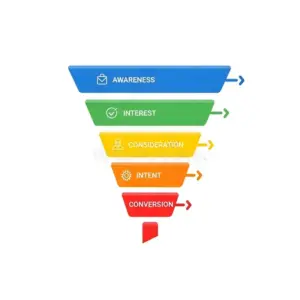
Lead generation goes from awareness to intent. Everything following, from the first call to closing the deal, is part of sales and conversion. They are both important, and they need to work together. If your sales process can’t turn leads into customers, getting more of them won’t help your business.
What are the key elements of a good lead generation plan?
A good lead generation plan has four parts: it gets to the right people, at the right time, with the right message, and through the right channel. Let’s take a look at each one.
To reach the proper individuals, you need to target them based on their intent, demographics, and behavior, not just cast a wide net and hope for the best. The perfect folks for a real estate developer in Jaipur are buyers who can afford to buy your type of property and are interested in the area. For a hotel, they’re people who are going to Jaipur.
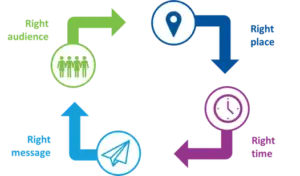
The right time is when people want to buy the most. For SEO, that’s when someone is looking for something. That’s when someone has already been to your website for retargeting ads. For email, that means sending an email based on what the person did before.
Instead of sending out a general offer, the right communication talks about a specific problem or want. Specificity makes things happen. “Luxury 3BHK starting at ₹85L in Jagatpura only 12 units left” beats “New project in Jaipur call now” by a wide margin.
The right channel is where your audience really spends their time. That’s Google (search and ads), Instagram and Facebook (discovery and consideration), WhatsApp (real time interaction and nurturing), and email (longer cycle relationship building) all in one in 2026.
How Techqart Uses Lead Generation in Its Business Model
At Techqart, lead creation isn’t just one service; it’s the goal of everything we do. Our SEO effort brings in leads that come naturally. Our performance marketing strategies bring in leads that pay. Our social media strategy generates trust in the brand, which helps both do better. Our WhatsApp and email marketing turn leads into customers.
We work with each client to figure out what a good lead looks like for their business, set up the channels and funnels to get them, and track outcomes by qualified leads and revenue, not just clicks or impressions.
If you’re a business owner who wants to know if your lead generating system is working or if you even have one, we’re pleased to look at your present online presence and give you an honest review. That talk is free, and it’s usually the best one a business owner has all year.




/socialsamosa/media/media_files/2025/08/20/social-media-calender-2025-08-20-14-53-00.jpeg)


