
/socialsamosa/media/media_files/2025/08/20/leaderboard-new-3-2025-08-20-14-33-18.png)


Your hotel website is more than an online brochure. It is a critical business tool. When designed well, it turns visitors into guests. This reduces reliance on third-party booking sites. This guide explains hotel website design best practices. It covers hotel booking website optimization and direct booking strategies. The goal is to provide clear, actionable hospitality website best practices.
The Foundation: Build on Clarity and Speed
Before adding features, ensure your site has a solid base. A strong foundation is essential.
First, your website must load quickly. People will leave a slow site. Compress images. Use a reliable hosting service. Test your speed on both phones and computers. Mobile speed is especially important.
Navigation must be simple. Visitors should find information in three clicks or less. Use a clear menu. Standard items are Rooms, Amenities, Location, Offers, and Contact. A search bar is helpful. Place your booking engine widget prominently on every page.
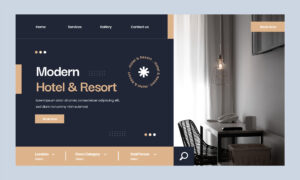
The visual design should be clean. Use plenty of space around text and images. Choose fonts that are easy to read. Your color scheme should reflect your brand. Do not let design interfere with function.
Content That Converts: Show and Tell
Your content must convince visitors to book. Use a mix of strong visuals and clear text.
Photography is your most powerful tool. Use professional, high-resolution images. Show every room type. Show common areas like the lobby, pool, and restaurant. Include pictures of the neighborhood. Add videos or virtual tours if possible. This helps guests imagine their stay.
Supplement professional photos with real guest pictures. You can display images from social media. This builds authenticity. It shows real experiences.
Write clear, benefit-focused text. Do not just list features. Explain the value. For example, instead of “free wifi,” say “stay connected with complimentary high-speed wifi.” Describe the quiet comfort of your rooms. Mention the convenience of your location.
Display trust signals clearly. Show security badges for online payments. Feature recent reviews from trusted sites like TripAdvisor. List any awards you have won. This reduces hesitation.
Optimizing Key Pages for Action
Each page on your site has a job. Structure them to guide visitors toward a booking.
Your homepage is your front door. The top section should have a striking image. Include a clear headline and an immediate booking widget. Below that, highlight your key offers. Link directly to your best rooms and current promotions.
Create a dedicated page for each room category. Provide detailed descriptions. List all amenities in the room. Display a clear gallery. Show the price prominently. Always note what is included. Taxes and fees should be visible early in the process.
A special offers page is a powerful direct booking tool. Create packages that bundle value. For example, combine a room with breakfast or a spa credit. Display the package price next to the regular rate. Use phrases like “Limited Time” to encourage action.
Your location page should sell the area. Include a map. Write about nearby attractions, restaurants, and transport links. Explain why your location improves a guest’s trip.
The Booking Engine: Simplifying the Final Step
The booking process is the most critical part of hotel booking website optimization. A complicated process loses customers.
Your booking engine must be fast and intuitive. It should match the look of your website. A sudden change in design can break trust.
Reduce the number of steps required. Ask only for necessary information. Pre-fill details for returning guests when possible. Clearly show the reservation total, including all charges, before asking for payment.
Offer multiple secure payment options. Display security icons. Provide a clear summary of the cancellation policy. Send an immediate email confirmation. This email can also suggest upgrades or additional services.
Technical Strategies to Get Found and Convert
A beautiful site is useless if no one finds it. Basic technical work is part of hospitality website best practices.
Search Engine Optimization helps people find you. Research keywords like “hotel in Jaipur” or “boutique hotel Jaipur.” Use these terms naturally in page titles and descriptions. Create a blog about local events and travel tips. This attracts visitors.
Ensure your site works perfectly on all devices. Most travel research happens on phones. Buttons must be easy to tap. Text must be easy to read without zooming. Test the mobile experience thoroughly.
Use analytics tools. Google Analytics shows how people use your site. You can see where they come from and where they leave. This data informs your direct booking strategies. It shows you what to improve.
Building Long-Term Guest Relationships
Your website’s job continues after a booking. Use it to build loyalty.
The confirmation email is an opportunity. Thank the guest. Provide useful pre-arrival information. You can also offer a paid upgrade or a dinner reservation.
After their stay, invite guests to leave a review. You can send a follow-up email. Feature these reviews on your website. This provides social proof for new visitors.
Consider a simple loyalty program. Offer a discount for a next direct booking. Collect email addresses to share special offers. This encourages repeat business.
Conclusion
Effective hotel website design is a continuous process. It starts with a fast, clear, and trustworthy site. It uses strong visuals and benefit-focused content. First, make your most important pages, like the room listings and special offers, very clear and easy to use. The booking process itself must be simple. People will not finish a long or confusing checkout.
Next, use simple technical steps (SEO) so your hotel shows up when people search online. Also, your site must work perfectly on phones, where most travelers start their search.
These direct booking strategies increase profits. They give you more control over your guest relationships. Implement these hospitality website best practices. You will build a website that works for your business. It will turn visitors into guests. It will turn guests into repeat customers. Review your website today. Identify one area to improve. Start there.








/socialsamosa/media/media_files/2025/08/20/social-media-calender-2025-08-20-14-53-00.jpeg)


