
/socialsamosa/media/media_files/2025/08/20/leaderboard-new-3-2025-08-20-14-33-18.png)

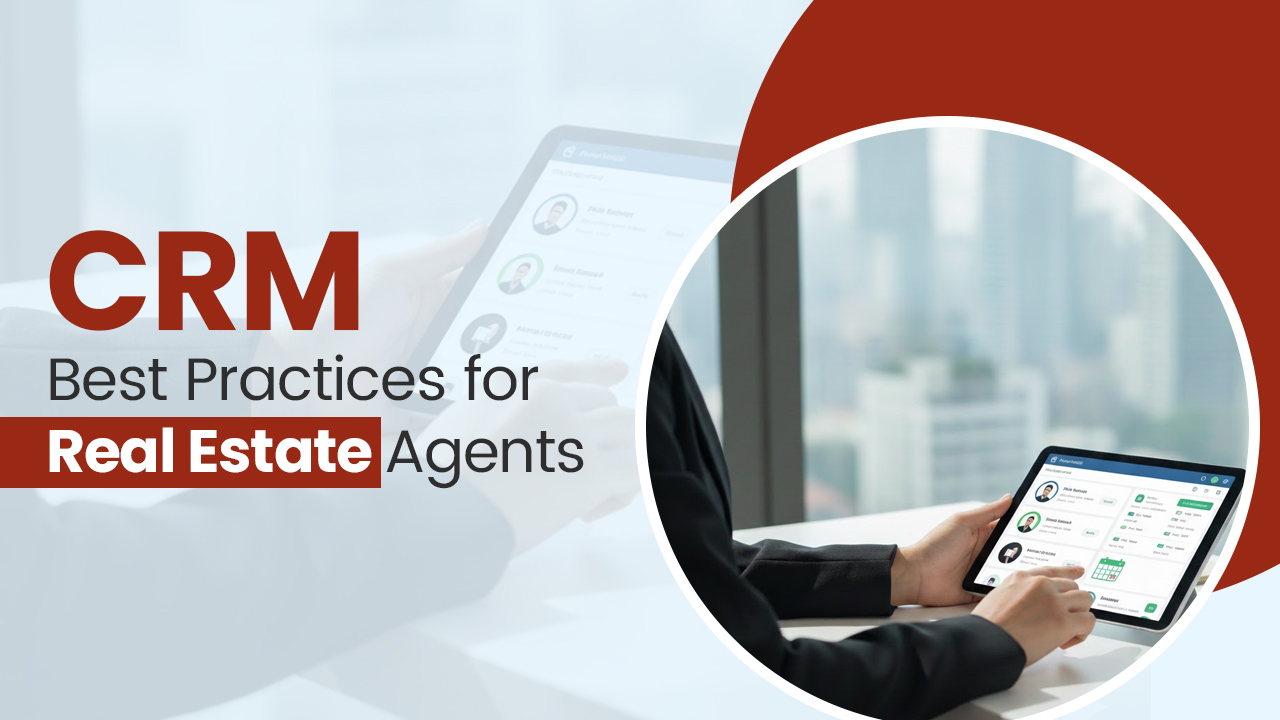
In real estate, your success depends on your relationships. A client might work with you for months. A past client may refer you years later. Keeping track of every conversation, preference, and important date is impossible to do alone. This is where a customer relationship management real estate system, or a real estate CRM, becomes essential.
Think of your CRM as your main hub. It is not just a contact list. It stores information on every client, every conversation, and every deal. Using it well helps you serve clients better and find more business. But having a CRM is only the first step. The tool only works if you use it properly. Without a plan, it becomes messy and useless. You need to work smarter.
This guide outlines ten real estate CRM best practices. These real estate CRM tips and real estate agent CRM strategies will help you organize your contacts and maintain consistent communication. You will run a smoother business. You will also build stronger client relationships. Let’s begin.

CRM Best Practices for Real Estate Agents
Here are the first five real estate CRM best practices. These CRM for real estate agents strategies focus on setting a strong foundation for your customer relationship management real estate system.
1.Choose the Right Tool for Your Work
All CRM software is different. The right CRM for real estate agents fits your specific job. Consider your daily work.
- Do you work alone or with a team?
- Do you work alone or with a team?
- What is your budget?
- Do you need features for managing transactions or automating emails?
Pick a tool you will actually use. A simple system used well is better than a complex one you ignore. This is the first and most important of all real estate CRM tips.
2.Keep Your Contact Information Complete
Your CRM is only as good as the information you put in it. Incomplete or messy data makes the system useless. You must be consistent. Every time you get a new contact, log key details. This includes:
- Their name and how you met them.
- Their phone number and email.
- The type of property they want and their budget.
- Their timeline for buying or selling.
Schedule a few minutes each day for this. Clean data helps every other strategy work.
3.Sort Your Contacts into Groups
Not all contacts are the same. Sending everyone the same message is not effective. A core real estate agent CRM strategy is segmentation. Create different groups inside your CRM. For example:
- First-time home buyers.
- Luxury property sellers.
- Past clients from last year.
- Local neighborhood residents.
This allows you to send relevant information to the right people. It makes your communication more personal and useful.
4.Set Up Automatic Follow-Up Messages
You cannot personally call every lead every week. Automation handles routine follow-up for you. This is a key part of modern customer relationship management real estate. You can set up your CRM to send emails or texts automatically. Examples include:
- A welcome message when someone first contacts you.
- New listing alerts for people in a specific buyer group.
- A check-in email six months after a purchase.
You save time, and no lead gets forgotten. Remember to add personal touches where you can.
READ – 10 Real-Estate Marketing Ideas That Work Right Now
5.Use the Pipeline to See Every Deal
Your CRM should have a pipeline or deal stage feature. This is a visual map of all your active businesses. Move each contact through clear stages. Common stages are:
- New Lead
- Appointment Set
- Searching for Homes
- Under Contract
- Closed
This lets you see your entire business at once. You know what needs attention today and what will happen next month. It is one of the most practical real estate CRM best practices for staying organized.
6.Record Every Single Interaction
Your CRM should be the one place you look for any client information. This is a core rule for customer relationship management real estate. After any contact, log it. This includes:
- Phone calls and voicemails.
- Text messages and emails.
- Notes from in-person meetings.
- Key details from a showing.
This creates a complete history for each contact. You will never forget an important detail. If a team member needs to help, they have the full story. This turns your CRM into a reliable business diary.
7.Connect Your CRM to Other Tools
Your CRM should not work alone. It needs to connect with the other software you use every day. This eliminates manual work. Look for integrations with:
- Your website and social media accounts.
- Your email platform.
- Electronic signature services.
- Your digital calendar.
When these tools share information, your workflow becomes smooth. A new lead from your website can go straight into your CRM. A scheduled appointment can block time on your calendar. This is a technical but vital real estate agent CRM strategy.
8.Plan a Consistent Communication Schedule
People need to hear from you regularly. Sporadic contact is not effective. You need a plan.
Map out how often you will contact each group in your CRM. Your plan should mix different types of communication. For example:
- Monthly market update emails.
- Personal check-in calls twice a year.
- Text messages for urgent updates.
- Holiday cards or small gifts.
The goal is to stay in touch without being annoying. Provide value with each contact. This builds trust and keeps you top of mind.
9.Use Data for Targeted Marketing
Your CRM holds valuable information. You can use this data to create smart marketing campaigns. This moves beyond general advertising. Look at your contact groups and their history. Then, you can send specific messages. For instance:
- Send a “first-time home buyer” guide to that specific group.
- Alert past sellers in a neighborhood about recent sales prices.
- Re-contact old leads with a new, relevant offer.
This approach makes your marketing more personal and effective. It is one of the most powerful real estate CRM tips for generating new business from your existing database.
10.Review Your Reports and Adjust
A final, critical practice is to review your CRM’s performance. Look at the data it provides about your business. Schedule time each month to check key reports. Focus on:
- Where do your best leads come from?
- How many leads become clients?
- Which email messages get opened?
- The total value of deals in your pipeline.
This review shows you what is working and what is not. You can then adjust your real estate agent CRM strategies. You might spend more time on a successful lead source. You might change a follow-up message that isn’t working. This cycle of review and adjustment ensures your system keeps improving.
Conclusion
Putting these real estate CRM best practices to work changes your business. They transform your CRM from a simple contact list into your central operating system. This is the true power of customer relationship management real estate.
Remember, success does not require using every strategy at once. Master one or two of these real estate CRM tips first. Get comfortable with entering clean data and using your pipeline. Then, add segmentation or automated messages. Consistency matters more than speed.
Your CRM for real estate agents is a tool for building trust. It helps you remember details, follow up on time, and communicate clearly. These actions show clients you are organized and reliable. Over time, this builds stronger relationships and a better reputation.
Your next step is to act. Open your CRM today. Look at your contact list and your pipeline. Choose one real estate agent CRM strategy from this guide and apply it. It could be cleaning up twenty old contacts or setting up a single automated welcome email.
Small, regular improvements create large results. A disciplined approach to your CRM saves you time, reduces stress, and generates more business. Start with one change, and begin building a more efficient and effective practice now.







/socialsamosa/media/media_files/2025/08/20/social-media-calender-2025-08-20-14-53-00.jpeg)


