
/socialsamosa/media/media_files/2025/08/20/leaderboard-new-3-2025-08-20-14-33-18.png)

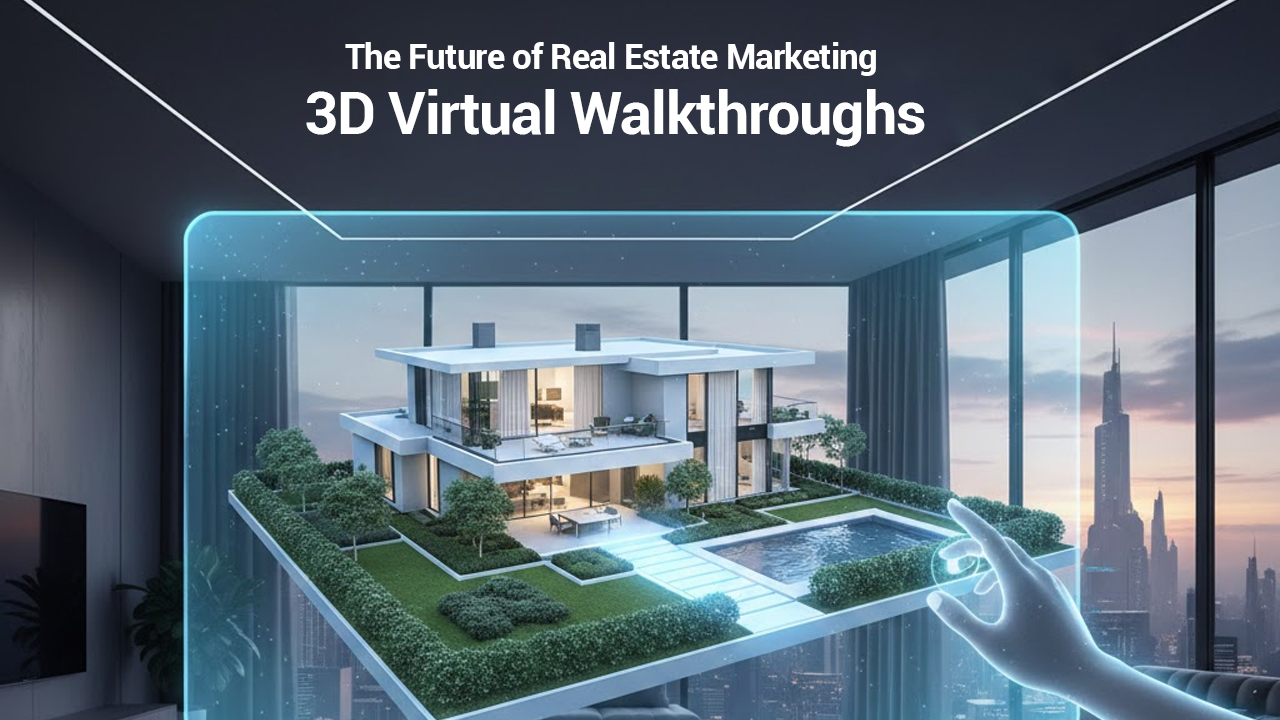
For a long time, people shopped for homes the same way. They looked at online listings with a few dozen photos. These pictures were static. They showed only one angle of a room. They could not show the full layout or how spaces connect.
This created problems. Buyers had to imagine the home from these limited views. They often drove to see many properties in person. Many of those visits were disappointing because the home felt different than in the photos. This process was inefficient for everyone.
The real estate market has now changed. Technology provides a better solution. The 3D walkthrough real estate model is replacing the old photo album. These are not simple slideshows. They are complete 3D virtual tours.
An interactive property walkthrough lets buyers take control. They choose where to look. They can walk from room to room. They can look up and around. This shows the true feel of the home.
This shift is fundamental. It moves home viewing from a passive experience to an active exploration. 3D visualization for real estate gives the viewer a powerful tool. They can understand a property’s layout before ever visiting. This saves time and sets clear expectations.
The static listing is becoming a thing of the past. It is being replaced by an immersive, digital-first experience. This is the new standard for marketing property.
What Are 3D Virtual Walkthroughs?
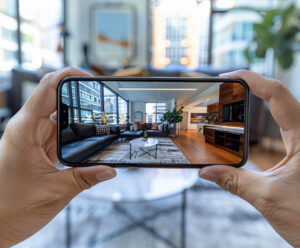
A 3D virtual tour is more than a video or a slideshow of photos. It is a digital model of a property. Think of it as a map you can move through on your computer or phone.
You are in control. You choose where to go. Click the screen. Walk from the hall to the kitchen. Look at the yard. Look up at the lights. This is the difference. You don’t just see pictures. You explore.
To create this, a special camera takes hundreds of images in every room. Software then stitches these images together. It builds a seamless, navigable space. This process is called 3D visualization for real estate.
The result is a complete digital copy. These 3D virtual tours often include several standard features:
- A dollhouse view that shows the entire floor plan.
- A floor plan mode that lets you see the layout from above.
- Measurement tools for checking room dimensions.
- Information points you can click for details about appliances or materials.
This technology provides a practical, thorough way to examine a space. It is the core tool for modern 3D walkthrough real estate. It turns online viewing into a form of active inspection.
The Driving Forces: Why Virtual Walkthroughs Are the Future
The growth of 3D virtual tours is not a random trend. Several clear factors are pushing this technology to the forefront of how properties are marketed and evaluated.
- First, buyer behavior has changed. People now expect to research major decisions online. A home purchase is no exception. An interactive property walkthrough meets this demand directly. It gives buyers the details they need. This helps them decide if a visit is worth it. It is very useful for people moving from far away. For them, a 3D walkthrough real estate experience is often the only practical first look.
- For sellers and their agents, the benefits are operational. These tours act as a filter. This saves time. Buyers who tour online first are more serious. This means fewer wasted visits. Appointments become more focused. A property with a strong 3D visualization for real estate also stands out in a crowded online marketplace. It signals a modern, transparent, and thorough sales approach.
- Finally, recent global events accelerated a shift that was already underway. The need for remote solutions made 3D virtual tours essential. This period proved their effectiveness beyond doubt. What began as a necessary tool has become a preferred method for initial screening. The convenience and efficiency it offers have lasting value.
Together, these forces create a compelling case. The technology aligns with how people want to shop, how agents want to work, and how the market now operates. This alignment is why virtual walkthroughs are becoming a standard practice, not just an optional feature.
Benefits of 3D virtual tours and Walkthroughs in Real Estate
The value of 3D virtual tours is best understood by looking at the concrete advantages they offer to each person involved in a transaction.
- For the buyer or renter, the benefit is access. An interactive property walkthrough is available at any time. You can view a home during your lunch break or late at night. This unlimited access allows for a detailed comparison between properties. You can tour a home again and again. Check any detail. It makes house hunting easier. You avoid planning many trips. This is helpful for out-of-town buyers. You take control of your search.
- Sellers gain a powerful presentation tool. A well-executed 3D visualization for real estate showcases a property completely. It documents the home’s condition and layout at the time of listing. This helps all homes. It is best for empty houses or confusing layouts. The tour is a complete record. It draws serious buyers. This can mean better offers.
- Real estate professionals use this technology to improve their service and efficiency. A listing featuring a 3D walkthrough real estate component often receives more engagement online. It serves as a qualifying tool, helping to ensure that the clients who request a physical showing are genuinely interested. This saves the agent considerable time. Some tours provide data. Agents can see which rooms buyers viewed the longest. This gives useful information to the seller.
Challenges and Considerations of 3D Visualization for Real Estate
A strong 3D visualization for real estate is a powerful tool. However, it is important to understand its limits and the practical points that must be managed.
- First, a digital tour cannot replace an in-person visit. An interactive property walkthrough shows space and layout effectively. But it cannot convey certain physical details. A digital tour cannot show everything. It misses the smell of a home. It misses the real morning light. It cannot show the feel of the street. You cannot touch surfaces or hear subtle sounds. These things still require a visit. A physical visit remains a necessary final step for a serious buyer.
- There are also practical considerations for access and creation. Not all potential users have the same level of comfort with digital tools. Ensuring that a 3D virtual tour is easy to use on various devices, from phones to older computers, is important. Creating a high-quality tour requires a clean, well-prepared property and often professional equipment. There is a cost associated with this, which must be weighed against the expected benefit.
- For lived-in homes, privacy matters. Making a 3D tour records everything in the space. Photos, papers, and personal items need care. The owner and agent must agree on what is shown and who sees the tour.
- Tech keeps changing. The tools for making tours get better. Users must keep learning. This makes sure the tech works well.
Acknowledging these points allows for more effective use of the technology. It ensures that 3D virtual tours are applied thoughtfully as one component of a complete real estate strategy.
Conclusion: The New Standard in Property Marketing
The shift in how we view properties is now clear. The method defined by static photos and countless preliminary visits is fading. It is being replaced by a more informed, efficient, and accessible process.
3D virtual tours have moved from a novel feature to a core component of marketing. They meet modern expectations for how we research significant decisions. An interactive property walkthrough provides the detailed inspection a buyer needs while offering the reach and clarity a seller wants. This technology creates a shared, reliable understanding of a property from the very first interaction.
For professionals, integrating 3D walkthrough real estate practices is no longer just about keeping pace. It is about providing superior service. It streamlines workflow, qualifies leads effectively, and delivers a transparent product to the client. This represents a fundamental improvement in the transaction process.
Looking ahead, the role of 3D visualization for real estate will only solidify. The tools are getting easier to use. They will go from a nice bonus to a basic need. This makes sense for real estate. It is all about space and details.
The future of property marketing is interactive, visual, and available on demand. It begins with a single click.







/socialsamosa/media/media_files/2025/08/20/social-media-calender-2025-08-20-14-53-00.jpeg)


