
/socialsamosa/media/media_files/2025/08/20/leaderboard-new-3-2025-08-20-14-33-18.png)

Hotels face a significant challenge. Many rely on third-party websites to fill rooms. This reliance comes with a cost. High commission fees reduce profits. Direct bookings solve this problem. They cut out the middleman. The goal is clear: motivate guests to book directly.
The solution lies in using technology. Artificial intelligence and big data are key. These tools are not optional. They are essential for modern hotels. This article explains how to use them.
Understanding Your Data
Data is the foundation. Hotels have more information than they realize. This information comes from several places.
- Internal systems track past stays, guest preferences, and spending habits.
- Your website shows how visitors behave, where they come from, and where they stop booking.
- Guest feedback from surveys and reviews provides direct opinions.
External data adds crucial context. This includes competitor pricing, local events, and general travel trends. The real power is in combining these sources. This creates a complete picture of your guest.
This is where advanced technology helps. It sorts through vast amounts of information. It finds patterns humans might miss. It predicts what a guest might want next. This leads to smarter decisions.
Practical Strategies to Increase Direct Reservations
The goal is to use insights to make booking directly the best choice. Here are effective methods to increase direct hotel reservations.
1.Create Personalized Marketing
Generic ads are less effective. Guests expect recognition. Use data to tailor your message. Think about what guests have done before, and use that information to talk to them. For example:
- A family booked a big suite last time. When they visit your website next, they could see a special deal for connecting rooms. This fits their needs.
- A business guest often checks in early. You could send them an email with a good price for an early check-in. This helps them.
When you remember what a guest likes, it makes them feel important. It shows you know them. Because of this, they are more likely to come back.
2.Implement Smart Dynamic Pricing
Pricing should be flexible and strategic. It should reflect real-time demand. Simple tools check competitor prices. More advanced systems do much more.
They analyze forecast data, local events, and even weather. They can predict when demand will rise. This allows you to adjust prices proactively. For your loyal guests, you can offer exclusive member rates. This rewards them for booking directly and builds loyalty.
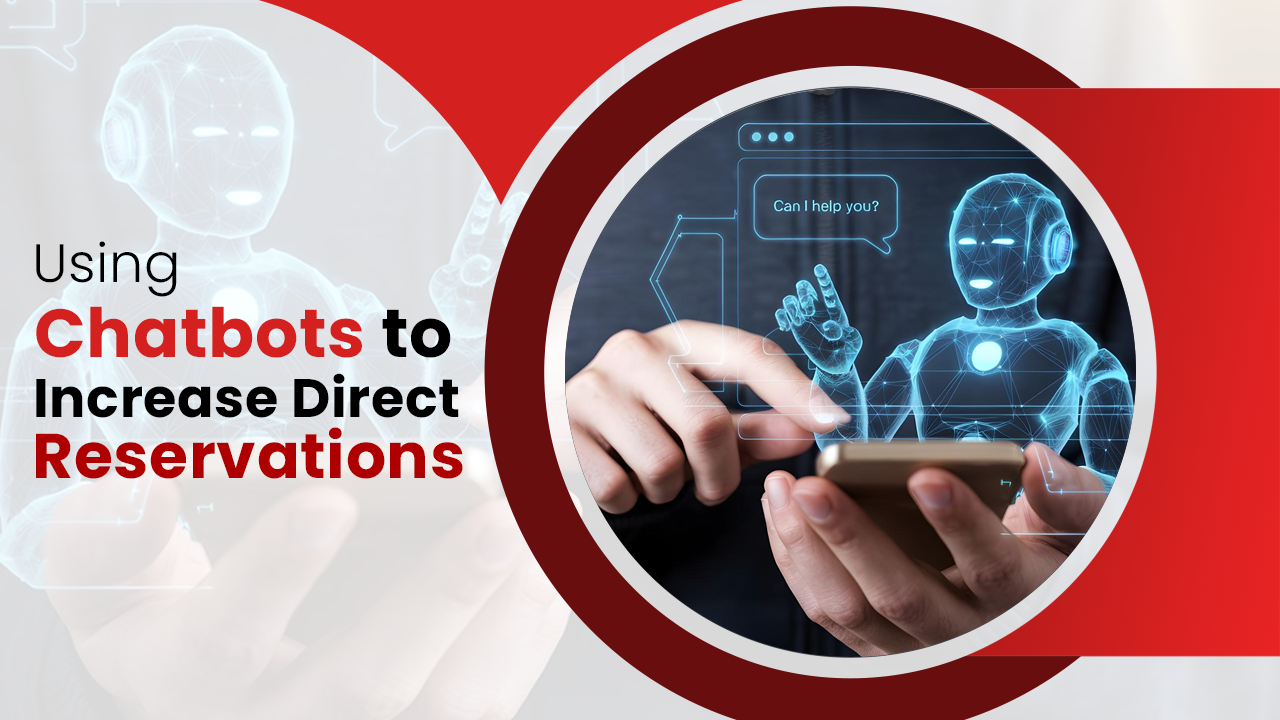
3.Deploy AI Chatbots for Hospitality
Questions often arise outside business hours. A potential guest on your website at midnight may have a simple question. If unanswered, they might leave.
Hotel chatbots are a solution. These hotel automation tools provide instant help. They answer common questions about pool hours, pet policies, or breakfast. They can guide users through the booking process. Most importantly, they keep the conversation on your website. This stops the visitor from going to a third-party website in search of information. Over time, AI chatbots for the hotel industry improve their responses by learning from every engagement.
4.Build Detailed Guest Profiles
Combine all data points into a single profile for each guest. This profile goes beyond their name. It includes their room preference, average spending, and typical reasons for travel.
Knowing your guests helps you get things right before they even ask. For instance:
- A guest complained about noise on their last stay. You could automatically offer them a quiet room on a high floor for their next trip.
- A guest eats at your restaurant often. Before they arrive, you could send them information about a wine tasting event.
When you pay attention to details like this, guests notice. It makes them feel known and taken care of. They will want to come back for that special treatment. When they return, they will book directly on your site to get the same personalized experience again.
5.Optimize the Direct Booking Experience
The booking process on your website must be simple. Complex forms cause guests to abandon their reservation.
- Use tools to make booking on your website easy.
- Add a smart search bar. If a guest types “pool,” it should suggest rooms with a pool view.
- Look at your website data. Find the exact page where people usually stop and leave.
Try small changes. Test two different “Book Now” buttons to see which one gets more clicks.
Making each step just a little bit easier helps. When the process is smooth, more people finish booking directly on your site.
Getting Started and Overcoming Hurdles
Implementing these strategies requires a plan.
Step 1: Audit Your Data
Start by auditing your existing data. What information do you already collect? The next step is to choose a focused pilot project. Launch a personalized email campaign for returning guests. Or, implement a basic chatbot to answer frequently asked questions.
Step 2: Connect Your Systems
You have different computer systems for your rooms, your guest list, and your website. They need to talk to each other. This is very important. If they don’t talk, your plan won’t work.
Step 3: Be Safe and Clear with Data
There will be some problems. The biggest one is keeping guest information safe.
- You must protect guest details like a secret.
- You must follow the rules about data.
- You must tell guests how you are using their information. Be open about it.
Step 4: Don’t Be Creepy
Be helpful, not strange. For example:
- Helpful: “We saved your favorite room type.”
- Strange: An email that says, “We know you looked at our spa page 3 times yesterday.”
Use what you know to make a guest’s stay better, not to surprise them.
Conclusion
The future of hotel bookings is direct and intelligent. Success depends on offering a superior experience. Technology provides the means to understand and anticipate guest needs.
Hotels that use their data effectively will build stronger guest relationships. They will reduce dependency on third-party sites. They will improve profitability.
Begin by examining one part of your current strategy. Identify a single hotel automation tool that could address a clear weakness. The journey to more direct bookings starts with a single, informed step.






/socialsamosa/media/media_files/2025/08/20/social-media-calender-2025-08-20-14-53-00.jpeg)


